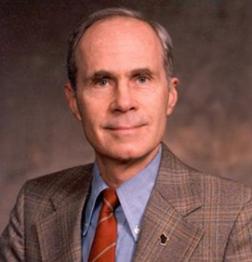
Dale Schultz puts himself in political crossfire on iron mining bill
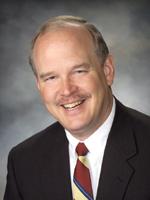
This article originally appeared in the Reedsburg Independent and was written by editor Jeff Seering. It is republished here with permission.
Dale Schultz has represented the Reedsburg area in the state legislature for close to 30 years, starting in the Assembly and then getting elected to the state Senate in 1991. At no time in his 30 years has he received more statewide attention than in the past 13 months, not even when he was elected Senate Majority Leader by his Republican colleagues in 2005.
Schultz has drawn the spotlight because he is one of the few state legislators on either side of the political aisle in Madison who has been willing to buck his own parties on issues, even though Schultz votes with Republicans on probably 90 percent of issues.
He first drew the spotlight last spring when he was the lone Republican Senator to vote against bill that stripped most collective bargaining rights away from public workers in Wisconsin. Last week he was the lone Republican voting against the iron mining bill strongly supported by Republican Governor Scott Walker, a bill that was defeated 17-16 in a straight party line vote, except for Schultz.
Since last summer's recalls, Republicans in the State Senate have a slim 17-16 majority, which means they need the support of every party member to pass bills without getting some Democratic support.
During last week’s mining bill debate, Schultz was one of three Senators to speak up during the hour long debate. He and Sen. Bob Jauch, a Senator who represents the part of the state where the Gogebic Taconite Company planned to build an iron mine, proposed their own amendment to the mining bill but it was never allowed to come to the Senate floor for a vote.
Schultz says he is still hopeful a mining bill can be passed. He objected to the bill that came through the Assembly and an amended verison by the Joint Finance Committee because they didn’t allow the general public to have any voice in the permit process until after a permit was issued, and he was concerned that it did not adequately protect the environment.