



This week in science history:
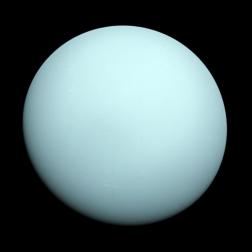
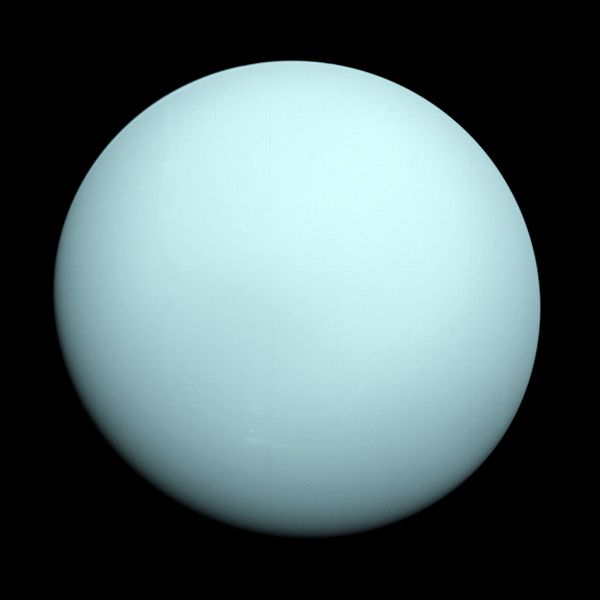
March 13, 1781: William Herschel discovered Uranus.
March 16, 1942: First V-2 rocket test launch: the rocket exploded at lift-off.
March 17, 1950: First synthesis of element 98, Californium.
March 18, 1965: Soviet Cosmonaut Aleksey Leonov performed the first ever spacewalk.
March 20, 1987: The FDA approved the anti-AIDS drug AZT.
News & blogs:
*JohnHawks: Binge learning in online courses.
*UW: Small differences in how a technology is defined can make a big difference in how the public feels about it.
*UW: ‘Ninja parasites’ elude immune response through molecular mimicry.
Events:
Ongoing until April 1: Fallout: The mixed blessing of radiation and the public health. Historical exhibit documenting the early uses and misuses of radiation and its evolution to bombs, power generation, and biomedical devices. Ebling Library, 3rd Floor Gallery. Free!
Tonight:
Wednesday Nite at the Lab: Neuroscience in education. 7 - 8:15 p.m., Auditorium, 425 Henry Mall. Free!
Tuesday, March 19
Chaos and Complex Systems Seminar: The textural structure of REM dreaming. 12:05 p.m., 4274 Chamberlain Hall. Free!
Wednesday, March 20
Native bees, our essential pollinators: A talk about the life histories of solitary versus social bees. 7 p.m., UW Arboretum Visitor Center. Free!
Spring around the Solar System: What the Vernal Equinox means on Earth, and how seasons work on other planets. Planetarium show. 6:30 and 7:45 p.m., Madison Metropolitan School District Planetarium, 201 S. Gammon Rd. $2.50.
The Center for Complexity and Collective Computing: The origin of life: beyond the chemistry to information theory, with Paul Davies. 7 p.m., Wisconsin Institutes for Discovery. Free!
To submit your science-related event, e-mail science@dane101.com