



A Touch of Zen
Sun, April 14, 11 a.m.
UW Chazen Museum of Art
Rush tickets only
A Touch of Zen is a vast, nuanced, classic film, posing early intrigue, high adventure, and ultimate enlightenment. It presents a shining example of a martial arts film or wuxia, refreshingly bereft of modern special effect yet full of epic fight scenes and gorgeous scenery. It is, however, a purposefully long movie with stretches of open space that some may not appreciate.
Ku Shen-cha is a young, gentle, and later we find, quite intelligent, painter who sells portraits to people on the street and lives with his mother in an otherwise abandoned estate. He has few worries until an adventure falls into his lap by way of a mysterious stranger named Ouyang Nin. Ouyang’s purpose and who he is lends tension that keeps the first section of the film going. He asks Ku to paint his picture, then moves on, not hidden, but unnoticed, through the town.
Ku then goes home to find that someone has taken up residence in the supposedly haunted dwelling next door. Her name is Yang, and of course mother thinks she is just the thing for her unambitious son. A blind man also arrives, leading Ku and the audience to believe something is afoot. It is merely a matter of time before the plot reveals how these characters are entwined, who the antagonist is, and what the greater goal will be. That point comes exactly when you want it most.
The connection between Yang and Ku is tenuous, yet I was touched when Ku says he still wants to help her even as a friend. It is here that Ku’s intelligence is revealed, as he has studied military tactics and determines that they cannot beet an army of pursuing enemies by force, only by strategy. “Wear them down or ambush them,” he says, and helps plan a clever trap. After the trap is sprung, Ku walks through the battlefield, punctuating the silence with almost hysterical laughter, reveling in his plan but also, presenting how crazy one has to be to fight such a bloody war.
I missed Ku in the latter part of the film (Yang, it turns out, is actually the protagonist). At his disappearance, the film could have ended, but greater plans were still to be revealed, and depending on your knowledge and interest of wuxias and Buddhism, it may be considered a faithful use of audience time, or an unnecessary glorification which could have been tightened for the cinema.
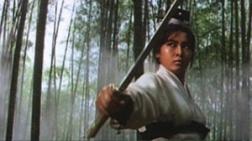
Watching the fight scenes is like going back and watching stop motion animation after seeing what CGI has produced. At first some of the movements seem strange or even crude, but soon you fall under the spell of the film, and they are amazing. Watch to see how the elements of these scenes were concocted and what effect director King Hu was going for. Lightness, speed and fortitude are portrayed through aerial-assisted leaps, close-ups of feet standing sideways on bamboo before bodies catapult through the air, and good old fashioned stunt person skill. Jackie Chan’s films would find ways to increase the speed and temper the fantasy, but familiar elements from films like this one remain apparent. Chan apparently had an unaccredited role in A touch of Zen and friend and fellow Chinese Opera School classmate Sammo Hung has a supporting role.
Elements awkward for Western viewers may include stylized acting and the practice of overdubbing everything. Some sound effects become repetitious-swords clash or clink, footsteps shuffle, and the fights lack background music.
Symbolism also plays a role. Animals’ reactions, especially birds, represent the “flight” response to impending fights our heroes face. Lens flare denotes spiritual power, or “enlightenment” of certain characters.
By the end of all 185 minutes, one may be drained or dazzled by the sparkling waters, the stretching vistas, the compact forest fights. Either way, it presents a great way to see raw elements of Asian action cinema, and, at the late morning Sunday slot, an enjoyable way to ease into the day and shake off your Saturday night movie hangover.