



I'm not up to speed with the acclaimed 21st century war documentaries -- Restrepo, Gunner Palace, The Tillman Story -- which tell of American troops stationed in hostile climes, but I've read about them. And those writings seem to pivot on the perception that the soldiers' stories are a metaphor for or commentary on US geopolitics. It seems hard to view the experience except through the lens of nationalism.
So, quick: Who has an opinion about Denmark's role in the war against the Taliban in Afghanistan? However much other forces might seem an adjunct to our efforts, non-US troops are serving in the region because they want to serve their country. Watching the Danish documentary Armadillo, I found I got that separation -- a chance to actually evaluate the ins and outs of soldiering in Afghanistan. Of course, if you're from Denmark, you'll have a different reaction ... and, in fact, the controversial footage in Armadillo made it a Danish box office champ, earning more on its opening weekend that Prince of Persia did when it opened the previous weekend.
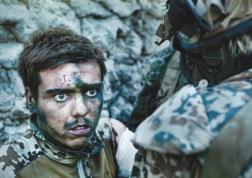
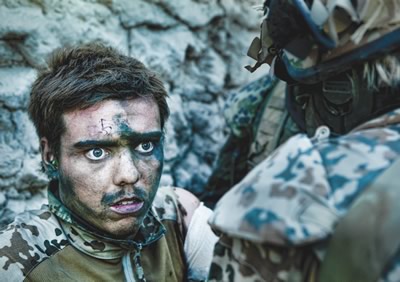
Why controversial? Armadillo has familiar rhythms -- we meet a handful of Danish troops a few days before they're to ship out, having tough conversations with families, talking about duty and adventure. And then we're in Afghanistan, at a combination British/Danish base, where the troops are tasked with slowly expanding their perimeter to keep the Taliban at bay and root out IEDs. The first half of the documentary is everything that you expect -- bored guys on base, uneventful sorties, unimpressed Afghanis (who are getting their crops stomped by minesweepers), and some agonizing over first blood: Taliban, Coalition and civilian. The dynamic of the story is also unsurprising: how great a gremlin effect the Taliban has against sophisticated military might. Later in the movie, having watched and learned how the Armadillo crew operates, the Taliban increases its efforts, and I won't say in a preview exactly how the movie subsequently becomes controversial, except that the entire controversy is caught on camera.
Director Janus Metz and his team do amazing work. If you're paying attention to technical matters early in the movie, you'll note the oversaturated cinematography and occasional clever edit; in the second half of the movie, it's hard to think about the filmmakers' craft in any other context than the camera falling sideways again as they dive back into the dirt to avoid gunfire. Many embedded documentarians are fearless about marching into combat to get footage, but it's nevertheless stunning to witness (and, sometimes, contemplate -- there's a lot of coverage, implying a host of camera operators).
But as intimate as that combat footage is, it's the same on-base, with seemingly incredible access and openness. Occasionally you'll feel someone is talking for the camera's benefit, but even when those on-base are dealing with the controversy -- which they must know the cameras caught -- they do it without acknowledgement, even via the corner of their eye, of the crew amidst their crew. If you're not interested in a war documentary, Armadillo isn't transcendent enough to recommend simply on filmmaking merits, but if you want a window into the on-the-ground reality of the Coalition vs. Taliban conflict, it's aces.
Armadillo screens at the Play Circle. The Friday screening is sold out, but tickets are still available for the Wednesday screening.