



It doesn’t matter how much rain we’ve had each summer in Madison: you can count on a flood at Token Creek every year at this time, occasioned by the opening of the Token Creek Chamber Music Festival.
The event happened for the twenty-first time Saturday night, in the affectionately called “barn” that is the principle structure on the land just south of Rte. 19 and east of Hwy. 51. The family farm of festival co-director Rose Mary Harbison, which has long been a favored venue for husband John Harbison’s compositional creations, has once again been opened to be shared with about 115 passionate friends — and major league performers.
Ironically, the Pulitzer Prize-winning Harbison may be better known in cities like New York, and Los Angeles, but his faithful Wisconsin attendees treat him more as a dear friend than an American icon who has had an opera premiered at the Metropolitan Opera, and is working on his Symphony No. 6 for the Boston Symphony.
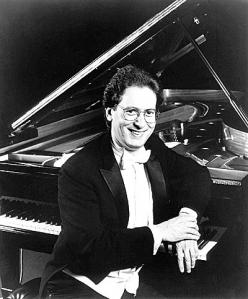
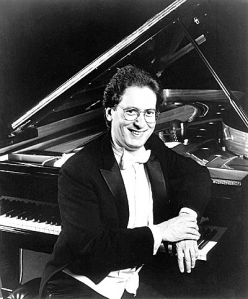
Chamber music has long been cherished for its intimate qualities, but the Token Creek Festival experience manages to up that ante by inviting the audience into a rustic coziness. My second row seat was a mere eight feet from the Steinway grand that would be commanded throughout the program by Robert Levin. There was an air of congeniality among the listeners that was a world away from the veneer of stuffiness frequently encountered in a traditional hall. And best of all, there was the unbeatable combination of world class artistry and unhackneyed programming.
The evening began with Levin accompanying cellist Parry Karp (35-year member of the Pro Arte Quartet, and frequent TCCMF collaborator), in Beethoven’s Seven Variations on an aria from Mozart’s The Magic Flute. The lovely program booklet was bereft of formal program notes, but this was more than compensated for by Harbison’s clear, clever, insightful and casual opening remarks. Karp’s cello produced a velvety richness throughout, and Levin’s playing frequently belied the percussive nature of the piano.
Rose Mary Harbison next took the spotlight in Beethoven’s last of his ten violin sonatas, the Op. 96. Harbison did not consistently produce a singing tone, and fought the occasional skirmish with intonation, yet ultimately summoned a persuasive and cogent interpretive argument. This somewhat neglected work found Beethoven nearing the onset of his so-called “late period,” and the Harbison/Levin duo revealed a bushel full of details that often elude the virtuosi of the month.
But it was the second half that had Beethoven fans in greatest anticipation: the arrangement of the Piano Concerto No. 4 for piano and string quintet. Unpublished to this day, Levin gave the first performances of this casting in 1999. The practice of shrinking large-scale works for the in-home use of amateurs (undoubtedly highly talented ones!) was common. In this case, Beethoven took advantage of the opportunity to make the piano part even more virtuosic and dominant — and Levin took full advantage as well, unleashing cascades of trills and octave runs with ease. The accompanying ensemble of violinists Rose Mary Harbison and Laura Burns, violists Jennifer Paulson and Andrew Waid, and cellist Parry Karp frequently managed to make one forget the familiar version for orchestra. After engulfing us in waves of Beethovenian urgency, it was the performers’ turn at the final chord to be drowned in richly deserved bravos.