



[b][i]The Train[/i] plays again Sunday at 6:45 at the UW Cinematheque[/b]
Part of the WI Film Fest's Restorations and Revivals series, [i]the Train[/i] is a war
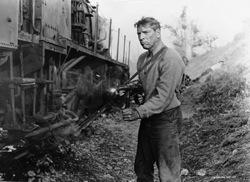
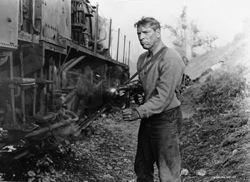
John Frankenheimer war movie starring Burt Lancaster as Labiche, a French rail yard operator secretly working against the Nazi occupying force. Paris is about to be reclaimed by the allies, and Paul Scofield's Colonel Von Waldheim intends to whisk a trainload of artwork back to Germany before they do.
The action scenes and exposition in this movie wouldn't be out of place in a movie today. Labiche initially refuses to thwart Von Waldheim's plan. Of the original eighteen members of his cell only three remain, and he doesn't think the art is worth risking their lives. Events conspire against him, and eventually stopping the train becomes a point of pride. The blend of violence and comedy is perfectly timed like some of the best action flicks. Immediately after Labiche stabs the Nazi guarding the radio room in a train station, the manager of that station begins gagging and tying up himself while Labiche radios ahead to set up his plan. The modern version of the film would be 100 minutes long, would receive rave reviews, and wouldn't have much of a message.
Frankenheimer's 1964 film is 133 minutes long. The extra half hour is what elevates it from an entertaining diversion to an impactful film. Instead of the more accessible arc from buildup to action to victory, [i]the Train[/i] shows the ramifications of the hero's actions. Von Waldheim is unforgiving of any steps taken against him and has no qualms whatsoever about exerting collective punishment or about taking hostages or using human shields. When the Nazis catch someone defying them, there is no grandstanding and no trial; the man who stood against them is shot there and then.
Few war movies are so explicit about showing the civilian casualties that are the fallout of military action. As friends, allies, and innocent bystanders fall around him, Labiche begins to look haunted. The heroic everyman, he can overcome any challenge but isn't immune to the emotional toil of seeing so many die at his orders. For him, stopping the train is never about keeping the art in France's hands; it's about making meaningful all the deaths that came before. At the beginning, Labiche and his time seem to enjoy wrecking havoc on the Nazi's operations. By the end the hero is so hardened by the carnage he's witnessed that he feels no joy at in his victories.